
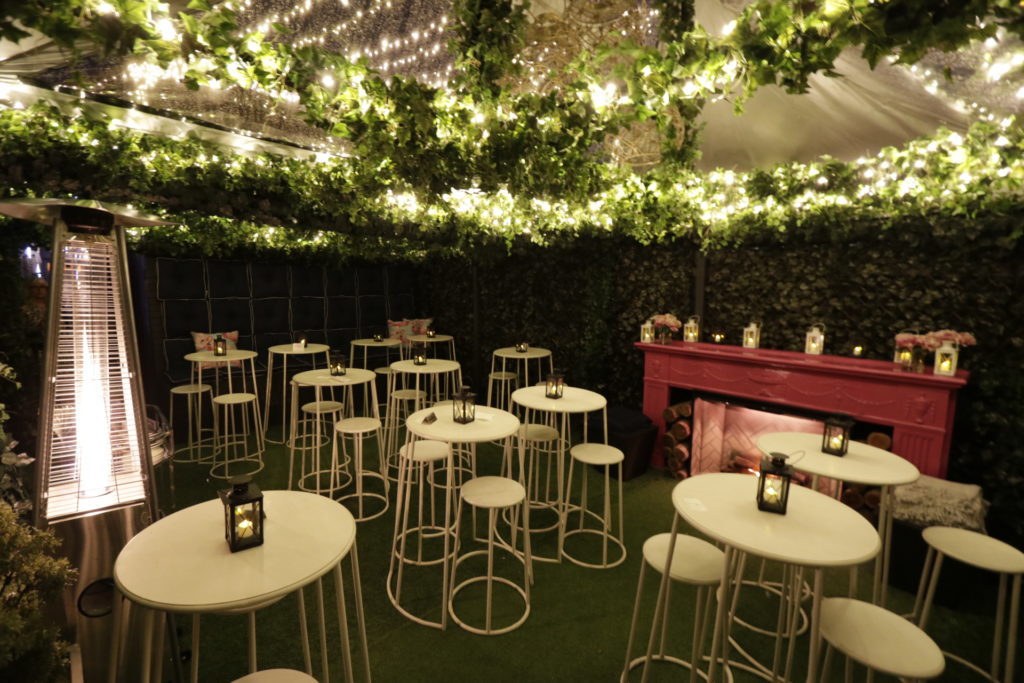
Whether it’s a boutique retail store, a hospitality venue or a professional office, the amount of time people choose to spend in your space has a direct impact on your bottom line. Commercial interior design melbourne businesses invest in isn’t just about looking good in photographs — it’s a deliberate strategy for keeping customers, clients and staff engaged longer, spending more, and coming back.
The Business Case for Good Design
Every business owner intuitively knows that atmosphere matters, but the data backs it up too: well-designed retail and hospitality spaces consistently see longer visit durations and higher average spend than poorly designed ones. The same logic applies to workplaces — comfortable, considered offices keep staff more engaged and clients more at ease during meetings. When we approach the commercial interior design melbourne businesses commission from us, we’re always thinking beyond the visual brief and into the behavioural one: how do we want people to feel, and how long do we want them to stay?
What Makes People Stay (Or Leave)
A handful of design factors consistently influence how long people linger in a commercial space, and how comfortable they feel doing so.
- Lighting that shifts warmly through the day, avoiding the harsh, fatiguing glare of standard fluorescent fit-outs.
- Acoustic comfort — noise control matters enormously in hospitality and open-plan offices alike.
- Clear, intuitive layout and flow so customers and clients never feel lost or rushed through a space.
- Comfortable, well-chosen furniture suited to how long people are actually expected to sit or browse.
- A cohesive material and colour palette that reflects the brand and puts people at ease.
Designing for Dwell Time, Not Just Aesthetics
This is where thoughtful commercial interior design earns its keep. We recently worked on a boutique commercial fit-out where the brief was explicitly about encouraging clients to relax and linger during consultations, and separately, a small business fit-out where every square metre needed to work harder — welcoming customers while maximising efficient use of a compact footprint. In both cases, the return on a well-considered design brief showed up almost immediately in how people used and responded to the space.
Small Businesses, Big Impact
You don’t need a sprawling flagship store to benefit from strategic design. Small business fit-outs often see the most dramatic shift, because every design decision in a compact space is felt more strongly by the people using it. A considered layout, quality finishes and a clear sense of brand identity can transform a modest space into one clients genuinely enjoy spending time in.
The Return on Investment
Good commercial design isn’t a cost centre — it’s a growth lever. Businesses that invest properly in their physical space typically see the benefit in repeat visits, positive word of mouth, staff retention and, ultimately, revenue. It’s an investment that compounds over years, not months, which is why we always design commercial spaces with durability and long-term brand alignment front of mind, not just short-term visual trends.
For businesses weighing up whether a design investment is worthwhile, it helps to think in terms of cost per interaction. A well-designed reception area or fit-out might represent a meaningful upfront spend, but spread across the thousands of client and customer interactions it will host over its lifetime, the cost per touchpoint is often remarkably small — while the impact on how your business is perceived is significant and lasting. This is also why we encourage business owners to think of commercial design as an operational decision rather than a purely cosmetic one, sitting alongside staffing, marketing and customer service as a genuine driver of how the business performs day to day. Framed this way, the fit-out budget becomes far easier to justify against other competing business priorities, because its return is measured in the same terms as everything else.
Signs Your Space May Be Working Against You
Business owners often sense something isn’t quite right about their space long before they can name the cause. A few common signals are worth paying attention to.
- Customers or clients browse or wait but rarely linger, engage, or ask questions.
- Staff gravitate to certain areas of the office and avoid others, suggesting comfort or acoustic issues.
- Feedback consistently mentions the space feeling ‘cold’, ‘cramped’, or ‘hard to navigate’.
- Meeting rooms or client-facing areas feel mismatched to the quality of the work being delivered inside them.
- The fit-out hasn’t been revisited in many years and no longer reflects how the business has grown or evolved.
Getting the Brief Right From the Start
The businesses that get the most value from their commercial design investment are usually the ones who involve a designer early — before layouts are locked in and budgets are fully committed. Bringing in expertise at the brief stage, rather than as a finishing touch, means every decision from floor plan to fixtures can work towards the same goal: keeping people in your space longer, and leaving them wanting to return.
What This Looks Like Across Different Industries
The specifics of dwell-time design shift depending on the type of business. A hospitality venue might focus heavily on lighting warmth and acoustic comfort to encourage longer, more relaxed dining experiences. A professional services office might prioritise a welcoming reception zone and comfortable, well-lit meeting rooms that put clients at ease during important conversations. A retail store might think carefully about sightlines and product placement alongside genuine comfort, so browsing feels unhurried rather than transactional.
Regardless of industry, the underlying principle stays consistent: people spend more time, and more money, in spaces that are genuinely comfortable to be in. Understanding your specific customer or client journey — and designing every touchpoint of your space around it — is where a strategic commercial designer adds value well beyond aesthetics alone.
Ready to Rethink Your Space?
If your business is ready to invest in a space that keeps people coming back, we’d love to talk. With three decades of experience across Melbourne’s commercial sector, Jane Gorman and her team bring a personal, hands-on approach to every project. Get in touch to discuss your brief, or explore our portfolio to see the kind of commercial spaces we create.