
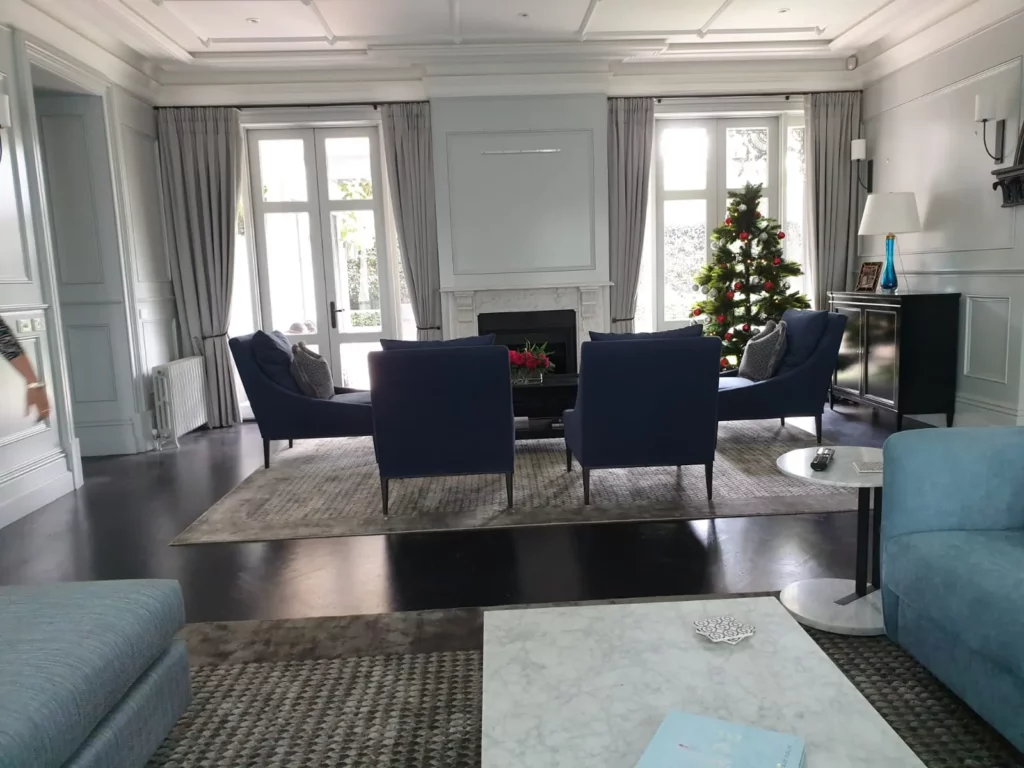
It’s one of the most practical questions a homeowner can ask, and one we’re always happy to talk through honestly: what actually drives interior design cost in Melbourne? There’s no single number that applies to every project, because the true cost depends on a combination of factors specific to your home, your goals and the level of finish you’re after. What we can do is walk you through exactly what shapes the final figure.
Why There's No One-Size-Fits-All Price
Two homes of the same size can end up with very different costs depending on scope, condition and ambition. A light styling refresh is a fundamentally different undertaking to a full renovation involving structural changes, custom joinery and new services. That’s why we always recommend an initial conversation before putting any numbers on the table, so pricing reflects your specific project rather than a generic estimate that may not apply to your home at all.
Key Factors That Influence Interior Design Cost
While every project is different, the same handful of factors tend to move the needle most. Understanding these before you start gives you a much clearer sense of where your budget will go, and where there’s room to make choices that suit your priorities.
- Scope of works: a single-room refresh costs far less than a whole-home renovation or new build interior.
- Level of finish: premium materials, imported fixtures and bespoke details all add to the investment compared with more accessible alternatives.
- Custom joinery vs off-the-shelf furniture: bespoke cabinetry built to your exact space costs more upfront but often delivers better long-term function and value.
- Trade and building costs: current construction pricing, site access, and the condition of existing structures all factor into the total spend.
- Project size and complexity: larger footprints, multiple rooms, or structural changes naturally require a bigger budget than a contained update.
- Design and project management fees: the level of hands-on involvement and coordination you want from your designer also shapes the overall cost.
Where the Investment Actually Goes
It helps to think of the total cost as several distinct categories rather than one lump sum: design fees, trade and construction costs, and the furniture, fixtures and finishes themselves. Clients are sometimes surprised by how much of the budget sits in the latter two categories rather than design fees alone, which is exactly why having an experienced designer manage sourcing and trade coordination can protect a budget rather than blow it out.
Room-by-Room Cost Variation
It’s also worth understanding that cost varies significantly by room type, not just by project size. Kitchens and bathrooms are consistently the most expensive rooms to design and build per square metre, because they combine plumbing, electrical work, waterproofing, custom joinery and high-wear finishes in a small footprint. Living and bedroom spaces, by comparison, generally involve lower trade costs and a greater proportion of the budget going toward furniture, lighting and styling rather than structural work.
Custom vs Off-the-Shelf: A Worthwhile Trade-off
One of the biggest cost decisions in any project is whether to invest in custom-designed elements or work with ready-made pieces. Custom joinery, for instance, will typically cost more than a standard flat-pack solution, but it’s built precisely to your space, your storage needs and your aesthetic, which often means it lasts longer and performs better over time. We help every client weigh this trade-off against their own budget and priorities, project by project, and there’s rarely a single right answer, only the right answer for a particular home and household.
How to Set a Realistic Budget Before You Start
Rather than starting with a fixed number pulled from a general online estimate, we encourage clients to think about their budget in terms of priorities: which rooms matter most, where you’re willing to invest in bespoke solutions, and where a more accessible option would serve just as well. This kind of honest, room-by-room conversation, done early with an experienced designer, consistently produces a far more realistic and workable budget than trying to guess a total figure in isolation.
- List every room or area you want included in the project, even if some are lower priority.
- Identify which spaces you’re willing to invest more heavily in, and which can use simpler finishes.
- Factor in a contingency for unforeseen issues, particularly in older homes.
- Have an early conversation with a designer before committing to a fixed number.
How to Compare Quotes Fairly
If you’re comparing quotes from more than one designer or studio, make sure you’re comparing like for like. A lower headline figure sometimes reflects a narrower scope of service, a lower allowance for materials, or fewer site visits and trade coordination included, rather than genuinely better value. Ask exactly what’s included in each quote, particularly around project management and trade oversight, so you’re weighing the full picture rather than a single number in isolation.
Getting an Accurate Quote for Your Home
The only reliable way to understand what your project will cost is to talk to us directly about your specific space, goals and timeline. We’ve worked across a wide range of residential projects, from compact apartment updates to substantial family home renovations, and every one of them started with a conversation about scope and budget before a single material was chosen. Our interior design services page outlines the different ways we can work together, depending on the size and shape of your project.
Common Pricing Questions We Hear
Clients often ask whether it’s cheaper to renovate room by room over time or commit to a whole-home project at once. The honest answer depends on your circumstances: staging a renovation can ease cash flow pressure, but it sometimes means paying trades to return to site multiple times, which can add cost overall. A whole-home approach, by contrast, often achieves better value per room because trades and materials are coordinated across the whole project at once. Neither approach is universally cheaper, which is exactly why this is a conversation worth having early, before a budget or timeline is locked in.
Let's Talk About Your Budget and Vision
If you’re ready to get a real, tailored understanding of what your project will cost, the best step is a direct conversation with our team. Get in touch to book a consultation, or explore our portfolio for a sense of the calibre and range of work an investment in professional design can achieve.