
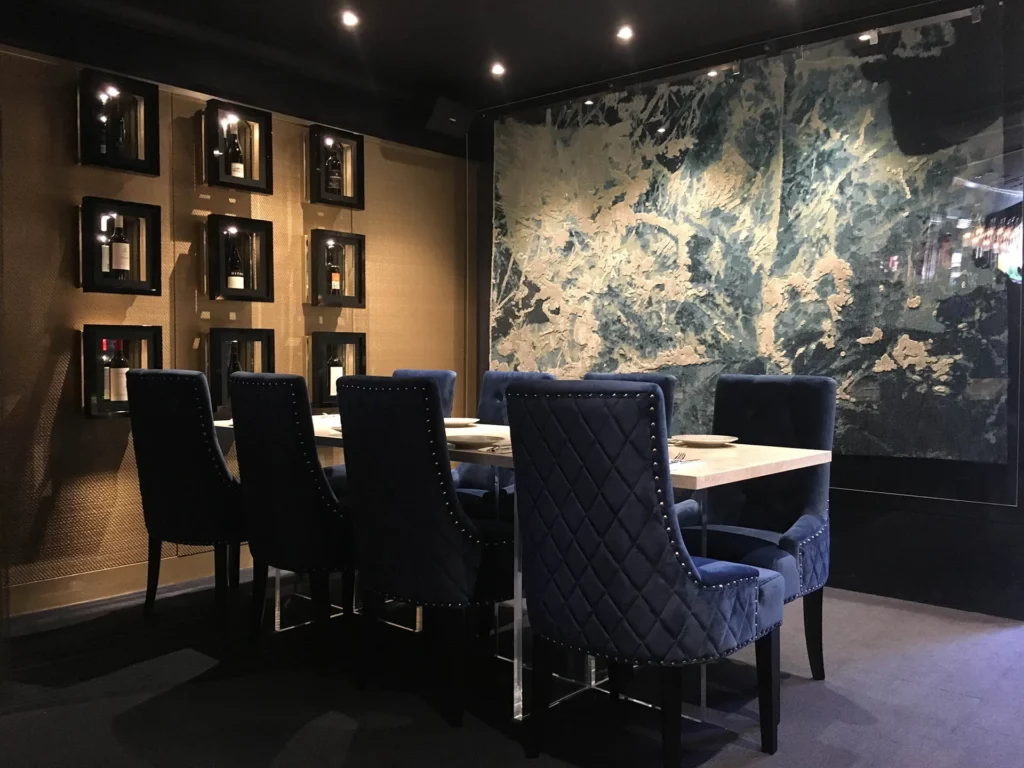
When you’re running a small business, every dollar of your fit-out budget needs to earn its place. Good commercial fit out design isn’t about spending more — it’s about knowing exactly where to invest so the space works harder for your brand, your staff and your customers. After decades of commercial projects across Melbourne, we’ve learned precisely where that budget makes the biggest difference.
Start With What Customers Actually Notice
Customers form an impression of your business within seconds of walking in, and that impression is shaped disproportionately by a handful of elements: lighting, flooring, and the first few metres of entry space. When budgets are tight, we always recommend prioritising these high-impact zones over spreading funds thinly across the entire fit-out — the essence of smart commercial fit out design on any budget.
Where to Invest — And Where to Save
Not every square metre of a fit-out needs the same level of investment. Here’s how we typically advise clients to allocate a considered budget.
- Lighting design — arguably the single highest-impact, most cost-effective upgrade available in any fit-out.
- Entry and reception zones, which set the tone for every customer interaction that follows.
- Durable flooring in high-traffic areas, which pays for itself many times over in reduced maintenance.
- Custom joinery only where it’s functionally essential — elsewhere, well-chosen off-the-shelf pieces can look just as considered.
- Signage and brand touches, which reinforce identity without requiring a large ongoing spend.
- Acoustic treatment, often overlooked but critical to comfort in open-plan retail and hospitality fit-outs.
The Cost of Getting the Brief Wrong
We’ve seen small business owners spend their entire budget upfront on finishes, only to run out of funds before addressing layout and flow — the two things that actually determine whether a space functions well day to day. Engaging an experienced team for your commercial interior design from the outset helps avoid this, because the layout and budget planning happen together, not as an afterthought.
What This Looks Like in Practice
We recently worked on a boutique commercial project where a considered, staged approach to spending allowed the client to achieve a genuinely premium result within a realistic budget, and a small business fit-out where prioritising joinery and lighting over cosmetic extras made a compact space feel considerably larger and more professional than its footprint suggested.
Timing Your Spend Across the Project
Budget doesn’t need to be spent all at once, and in fact, staging your investment can produce a better result than trying to do everything simultaneously. Structural and layout decisions — the elements hardest and most expensive to change later — should always be resolved and funded first, with cosmetic upgrades and finishing touches following once the bones of the space are right.
Common Budget Mistakes in Commercial Fit-Outs
We regularly see small business owners make the same handful of avoidable errors when planning a fit-out budget.
- Underestimating trade and installation costs, leaving no contingency for the inevitable surprises behind walls or under floors.
- Choosing all finishes before confirming layout, leading to expensive changes once the space is properly mapped out.
- Spending heavily on decorative extras before functional essentials like lighting and storage are resolved.
- Failing to budget for signage and brand elements, which are often treated as an afterthought despite their outsized impact.
Working With a Fixed Budget Doesn't Mean Compromising
One of the most common misconceptions small business owners have is that a limited budget forces a compromised result. Good commercial fit out design proves otherwise: a genuinely skilled designer can achieve a premium-feeling outcome on a modest budget by being deliberate about sequencing, sourcing, and where visual impact is concentrated. Rather than spreading funds evenly and thinly across every surface, we recommend committing fully to a smaller number of high-impact decisions and keeping everything else simple, cohesive and well executed.
This approach also protects against a common trap: a fit-out that looks impressive on opening day but starts to feel tired within a year because cheaper materials were used in high-traffic areas to fund decorative extras elsewhere. Thinking in terms of cost per year of use, rather than upfront price alone, tends to produce far better long-term value.
Planning for Growth From Day One
A smart fit-out also considers where the business is heading, not just where it stands today. If growth, additional staff, or expanded services are realistically on the horizon within the next few years, it’s worth discussing this with your designer upfront, even on a tight budget. Small decisions made now — an extra data point, a flexible joinery layout, a structure that can accommodate an additional workstation — can save a costly second fit-out down the track, and are almost always cheaper to plan for early than to retrofit later.
This kind of forward planning is one of the clearest advantages of engaging an experienced designer rather than managing a fit-out piecemeal through individual tradespeople. It ensures every dollar spent today is still working for the business in three or five years’ time, not just on opening day.
We regularly walk clients through exactly this kind of long-range thinking during initial consultations, so decisions made on day one still make sense well into the life of the business, rather than needing to be revisited sooner than necessary.
Ready to Get Your Fit-Out Right the First Time?
If you’re planning a small business fit-out and want to make sure your budget is spent where it counts, now is the time to bring in an experienced designer — before finishes are chosen and contractors are booked. With more than 30 years of hands-on experience and a personal approach led directly by Jane Gorman, we help business owners avoid costly mistakes, stay on budget, and get it right the first time, without unnecessary delays or rework. Book a consultation today, or view our portfolio of commercial projects to see the kind of results considered design can achieve.